Novo Nordisk cuts insulin injections from 365 a year to 52 with new India launch
Novo Nordisk has launched Awiqli, the world's first once-weekly basal insulin, in India, priced at Rs 261 a week and aimed at more than 101 million Indians living with diabetes.
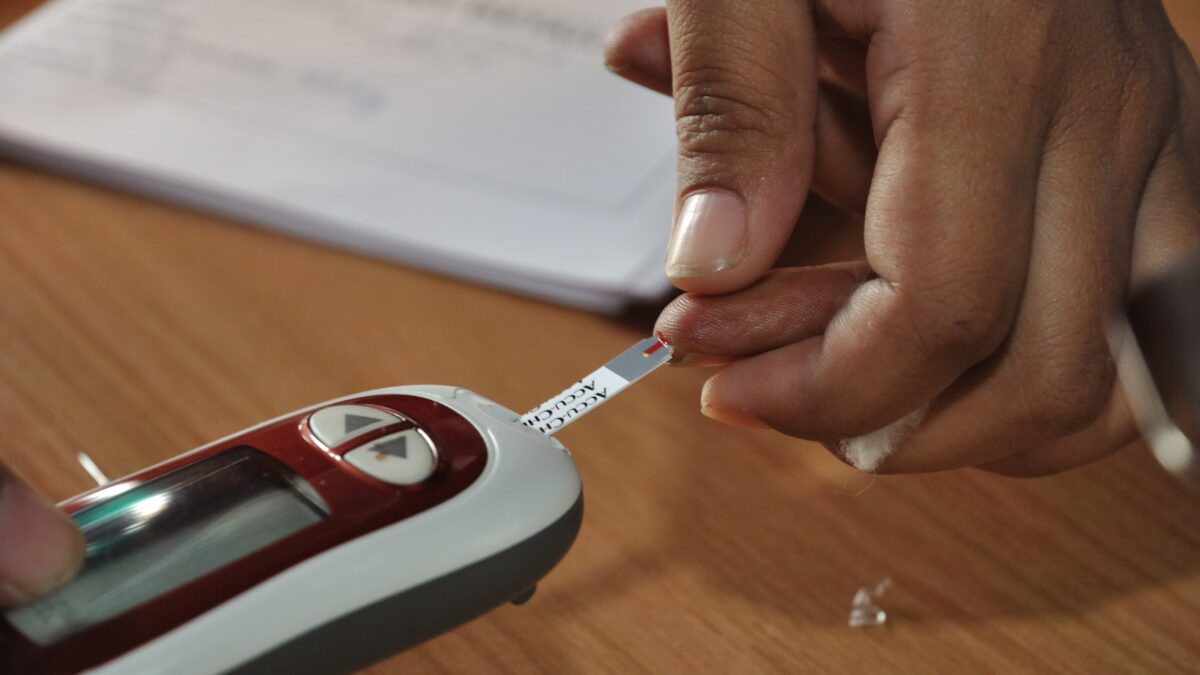
For decades, insulin has meant one thing without exception: a daily jab, every single day, for life. That routine is about to change for millions of people in India. Novo Nordisk has launched Awiqli, known generically as insulin icodec, in India on July 9, calling it the world’s first once-weekly basal insulin approved for clinical use. Instead of 365 injections a year, patients on this therapy would need just 52.
India isn’t just another market for this drug — it’s arguably the market where a launch like this matters most. More than 101 million people in India are living with diabetes, and another 136 million have prediabetes, according to the ICMR-INDIAB study cited by the company. Vikrant Shrotriya, Managing Director of Novo Nordisk India, said the company believes Awiqli will reduce the psychological and physical barriers that keep many patients from starting or sticking with insulin therapy.
Awiqli is backed by the global ONWARDS Phase 3 clinical programme, which involved more than 4,000 adults worldwide, including participants from India. The studies showed the once-weekly insulin achieved a greater reduction in HbA1c, the key long-term blood sugar marker doctors track, along with improved time in range, compared with once-daily insulin glargine U100, while maintaining a comparable safety profile.
Awiqli is priced at Rs 261 per week in India, positioning it against established basal insulin brands like Sanofi’s Lantus and a range of lower-cost insulin glargine products from domestic manufacturers. India becomes the seventh market globally to receive the therapy, following earlier approvals in the US and the European Union. Novo Nordisk is entering a domestic insulin market that IMARC projects will grow from $660.5 million in 2025 to $916.4 million by 2034, driven largely by rising diabetes rates tied to sedentary lifestyles, poor dietary habits, and genetic predisposition among Indians.




Leave a Reply