How One Near-Death Experience on Everest Led to India’s Mountain Rescue Network
A crevasse fall on Everest inspired mountaineer Hemant Sachdev to build Tiranga Mountain Rescue, a civilian network now credited with zero soldier deaths in three years at India's toughest military postings.
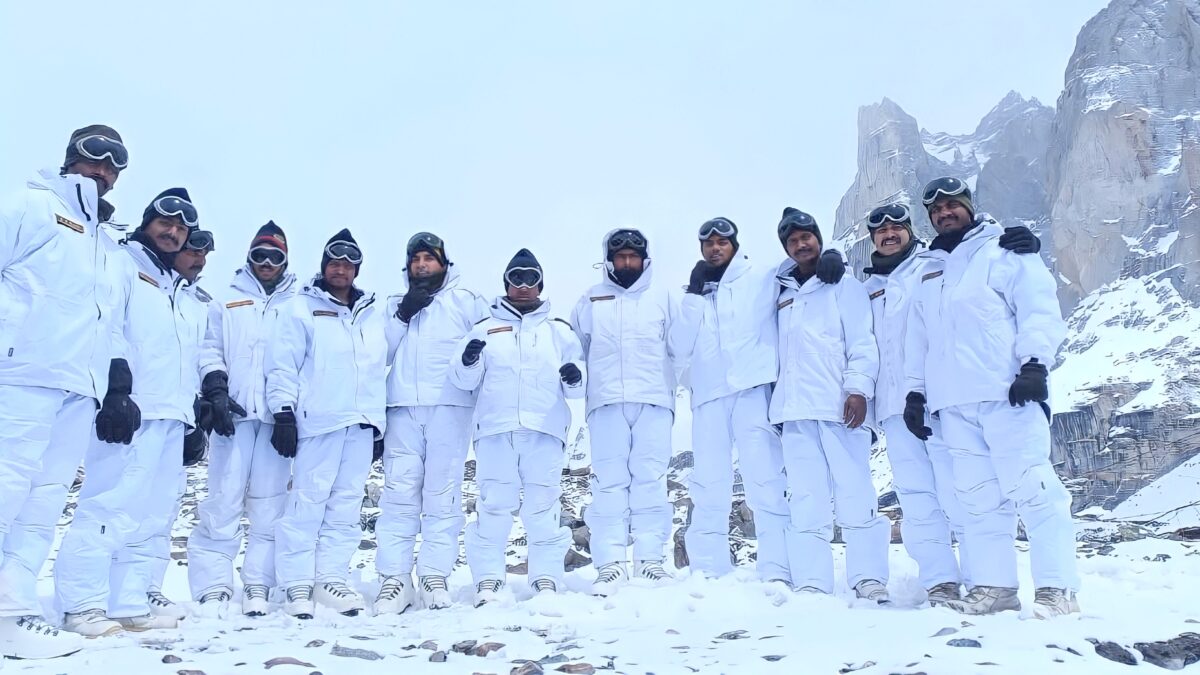
A single near-death experience on Mount Everest set in motion what has become one of India’s most effective civilian support networks for its armed forces. In May 2013, mountaineer Hemant Sachdev fell into a crevasse on Everest’s Khumbu Icefall, saved only when a fellow climber noticed he had gone missing and turned back to pull him out.
Two years after that rescue, Sachdev read about soldiers buried under an avalanche at Siachen, the world’s highest battlefield, and couldn’t shake a simple question: if he could be rescued on Everest, why couldn’t they be rescued too? ‘Climbers go for their sense of pleasure, their own achievement,’ he says. ‘But the soldiers are doing it out of a sense of duty.’
The organisation he founded, Tiranga Mountain Rescue, launched in 2016 after an initial proposal that was met with scepticism. A decade later, it runs 16 teams and 48 full-time professional rescuers across India’s toughest mountain deployments, including Siachen, Kargil, Tawang and Gurez.
The scale of impact is significant: non-combat deaths among soldiers at these postings — from avalanches, landslides and ailments — used to average 40-50 a year, outpacing combat losses. Over the last three years, that number has dropped to zero, helped by preventive work that saw teams visit more than 400 posts last season to map routes, study weather risks and train soldiers.
Tiranga’s operational record includes a 2022 rescue in Tawang, where a team found seven avalanche-buried soldiers within hours of arriving by helicopter after a two-day search had failed, and a March 2026 response to a Zoji La Pass avalanche that trapped 12 civilians. The group has also supported rescue efforts during the 2024 Wayanad landslide and the 2021 Uttarakhand glacier burst — building a track record that, as Sachdev puts it, proves ‘the most dangerous place in the mountains is only as dangerous as your ability to rescue.’

Leave a Reply