Namo Bharat trains cross 3.5 crore rides since February launch, NCRTC says
The Delhi-Meerut RRTS corridor has carried about 3.5 crore passenger journeys since its full stretch opened in February 2026, with roughly one lakh riders a day, NCRTC's MD says.
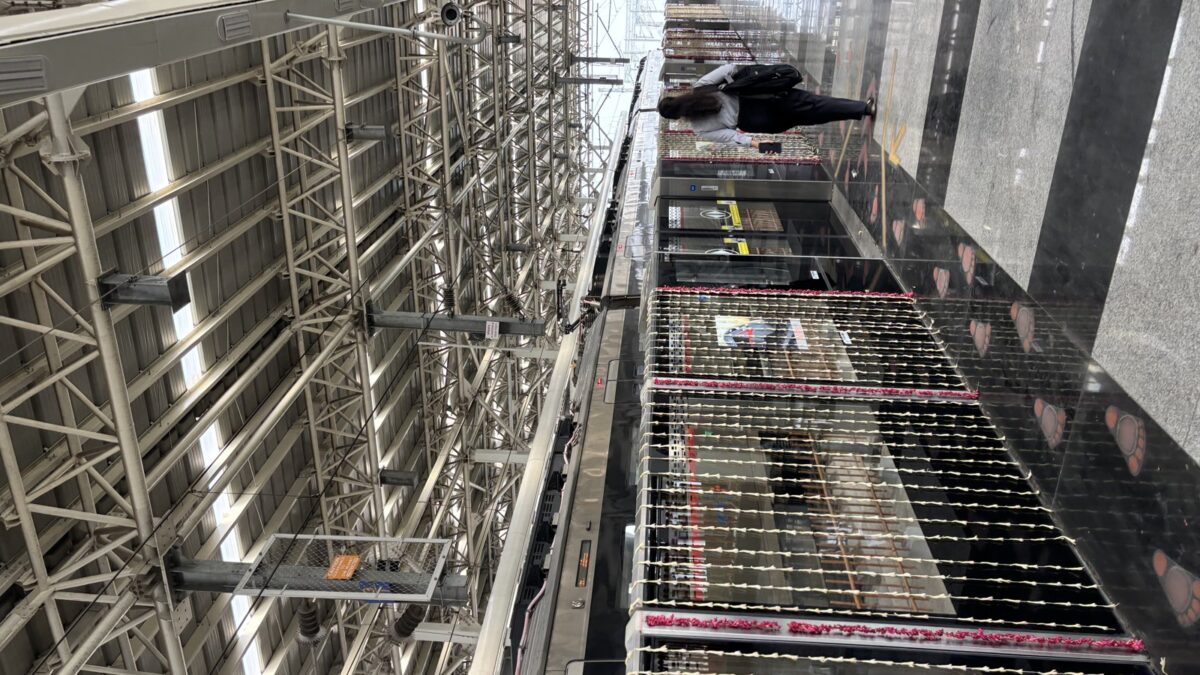
Namo Bharat trains are now completing the journey between Delhi and Meerut in just under an hour, with maximum operational speeds of 160 kmph. The Regional Rapid Transit System, or RRTS, connects Delhi to cities around 150 kilometres away at average speeds of around 90 kmph, and the 80-kilometre Delhi-Meerut corridor is the first stretch to open in full.
Since the entire corridor’s inauguration in February 2026, ridership has grown steadily, according to Shalabh Goel, managing director of the National Capital Region Transport Corporation, which is executing the project. ‘At present, around one lakh passengers are travelling on the corridor every day, and cumulative ridership has crossed about 3.5 crore passenger journeys,’ he told TOI.
Goel said a public transport system succeeds only when people choose it over private vehicles, which requires seamless connectivity alongside speed and comfort. NCRTC has focused on integrating Namo Bharat stations with other public transport modes, including Indian Railways, metro systems, ISBTs and city bus services, with Sarai Kale Khan, New Ashok Nagar, Anand Vihar and Ghaziabad among the stations offering such connectivity.
The corridor’s funding works on a simple model: the central government and participating states and union territories contribute, along with some funds from development institutions. Several more RRTS corridors are in the planning stage, including routes to Panipat-Karnal, Gurgaon-Bawal, Ghaziabad-Jewar and a Gurgaon-Faridabad-Noida-Greater Noida link.
Goel also pointed to a demographic shift among riders: professionals and students relocating from Delhi to their native cities across the NCR while maintaining Delhi-based employment or continuing their studies in the capital. ‘For many, this means affordable housing choices, more time with family and an improved quality of life,’ he said.



Leave a Reply