Why biotech companies now see space as a factory floor
A June 2026 ISS mission by Auxilium Biotechnologies and the Wake Forest Institute for Regenerative Medicine produced liver and kidney tissue, cartilage and 28 nerve implants in microgravity, signalling growing commercial interest in space-based biomanufacturing.
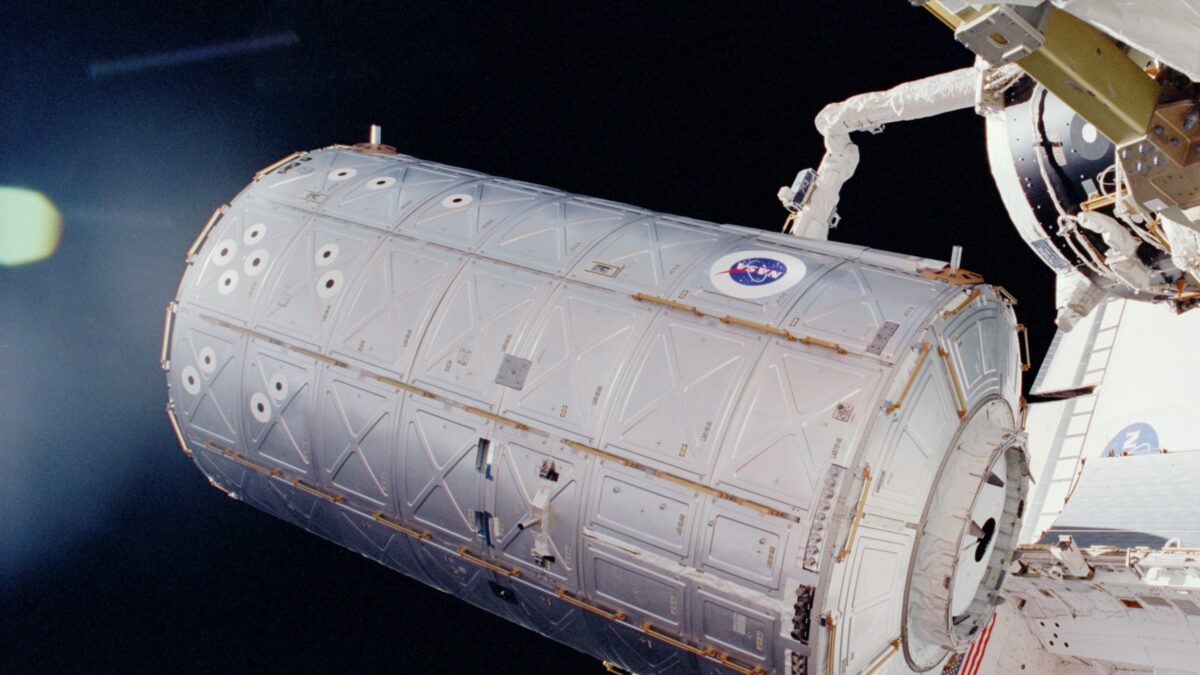
Space is starting to look less like a research outpost and more like a production line. A June 2026 mission aboard the International Space Station saw Auxilium Biotechnologies and the Wake Forest Institute for Regenerative Medicine produce liver and kidney tissue in microgravity for the first time, a result the companies frame as evidence that orbital biomanufacturing is ready to scale.
The mission’s output went beyond organs: alongside liver tissue for functional studies and kidney tissue, the AMP-1 bioprinter also manufactured cartilage samples for orthopaedic use and 28 implants meant to repair damaged nerves. All of it returned to Earth in a SpaceX Dragon capsule on 17 June.
Auxilium supplied the AMP-1 bioprinting hardware for the mission, while the Wake Forest Institute for Regenerative Medicine designed the cellular structures being printed — a division of labour the two organisations say let them test both living tissue and implantable devices on the same flight.
‘The ability to produce different types of tissues alongside clinically relevant medical products demonstrates both the versatility and scalability of our technology,’ said Isac Lazarovits, Auxilium’s Vice President of Engineering.
According to Antony Atala, director of the Wake Forest Institute for Regenerative Medicine, microgravity solves a problem that has limited bioprinting on Earth: keeping cells evenly distributed while a tissue structure is still soft and unstable. Auxilium co-founder Jacob Koffler said this is why the company believes commercial interest will keep expanding manufacturing hubs in space across biotech, healthcare and advanced materials.
Even so, Koffler was clear that the technology is not yet close to clinical use. He expects near-term work to focus on smaller tissue patches for repairing organs like the liver, rather than growing full replacement organs. ‘It’s going to take some years until we get to the clinic,’ he said, ‘but it’s important to start building that framework now.’
Image: NASA/Wikimedia Commons



Leave a Reply