SpaceX’s Starship Still Hasn’t Flown a Crew, But Musk Is Already Planning a Lunar City
Despite Starship still awaiting its first crewed flight, Elon Musk says SpaceX could put thousands of residents on the Moon within a decade and land humans on Mars within five years.
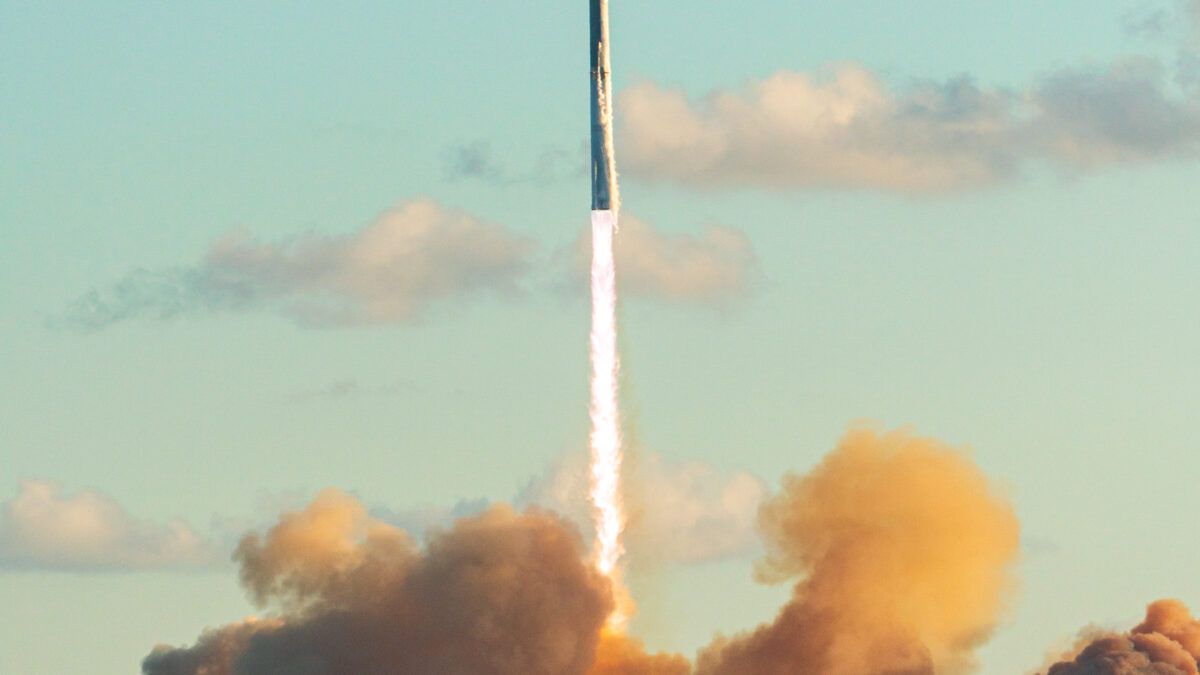
SpaceX’s Starship has yet to complete a single crewed flight, but that hasn’t stopped Elon Musk from laying out plans for a lunar settlement housing thousands of people within a decade. Speaking in an interview with Texas Governor Greg Abbott, Musk said the company hopes to return astronauts to the Moon within the next two to three years, before expanding access to ordinary travellers beyond government-trained astronauts.
Musk described a future lunar base capable of supporting thousands, or even tens of thousands, of residents and visitors — a scale he admitted is hard to reconcile with the current state of space activity, given that only a handful of people have ever set foot on the Moon, all during NASA’s Apollo programme more than five decades ago.
The plan rests heavily on Starship, the large reusable spacecraft SpaceX has been developing for missions beyond Earth orbit. Designed to carry both cargo and passengers, the vehicle is still undergoing testing and has not yet flown with a crew on board.
Musk also touched on Mars, which he called a much harder target than the Moon due to the distance and travel time involved. He predicted SpaceX could land its first humans there within five years, followed by transporting thousands of people over the following decade — consistent with his long-standing argument that a Mars settlement would help make humanity multi-planetary.
The timeline follows a pattern: Musk’s space predictions have often slipped. He forecast a Mars landing within a decade more than ten years ago, and in 2017 SpaceX said private passengers would fly around the Moon as early as 2018, a flight that never took place. Musk also used the interview to reveal a new direction for the company — space-based computing infrastructure, including plans to launch its first artificial intelligence satellites in the near future.




Leave a Reply