From 1 year to 5: how AI data center demand rewrote utility equipment timelines
California's Roseville Electric Utility now orders some equipment up to five years in advance, up from about a year previously, as AI data center demand strains transformer supply.
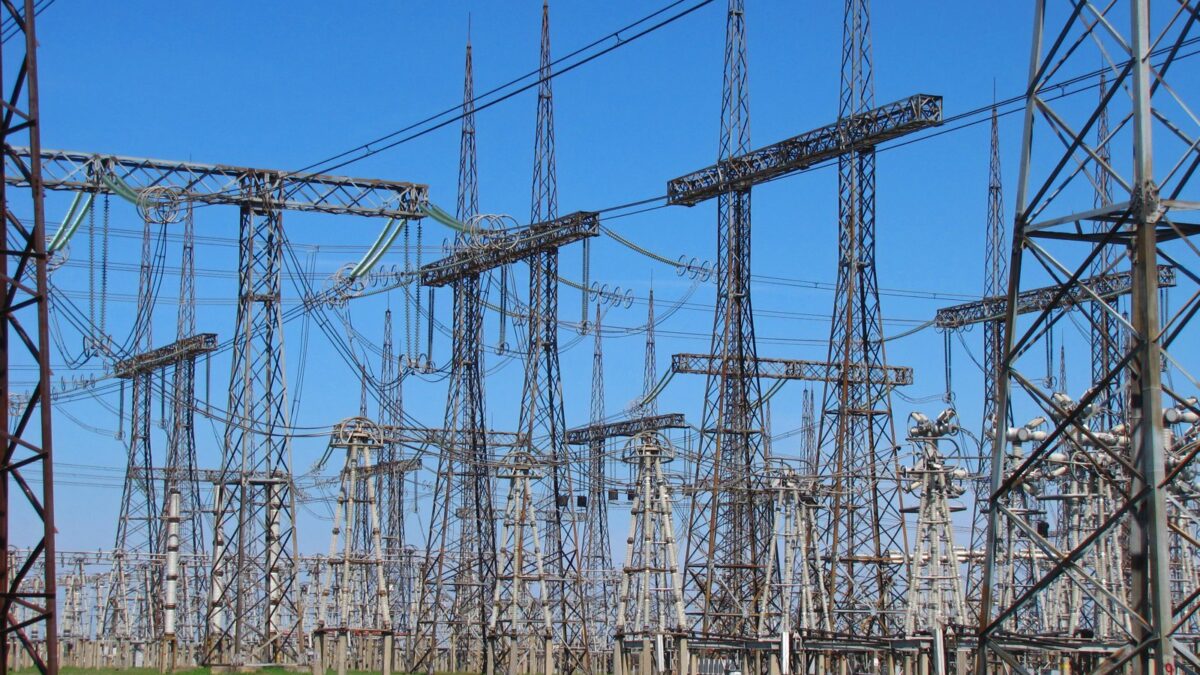
California’s Roseville Electric Utility previously purchased electrical equipment about a year before its projects began. Now, CEO Dan Beans says the utility operates on a three-year procurement timeline, with equipment for some planned projects being ordered up to five years in advance because of transformer shortages tied to the boom in AI data center construction.
The shift reflects a broader trend across the US power sector, according to a Reuters report. Rising demand for transformers, circuit breakers and switchgear has extended delivery times and increased costs, prompting utilities to change how they plan infrastructure projects. Transformers, used to raise or lower electricity voltage, have faced shortages since demand recovered faster than manufacturing capacity after the Covid-19 pandemic, and the ongoing construction of AI data centers has added further pressure.
Wood Mackenzie estimates US data center capacity will grow from around 24 gigawatts today to 110 gigawatts by 2030, with data centers’ share of the electrical equipment market potentially rising from just under 2% in 2020 to about 40% under accelerated growth scenarios. “Equipment availability is becoming the biggest concern for developers as they value time to market so highly,” senior analyst Ben Boucher told Reuters.
Beans said overseas manufacturers now account for about three-fourths of the bids received by Roseville Electric Utility, with suppliers from countries including China and South Korea becoming more prominent, since domestic manufacturers generally quote longer lead times and higher prices. Developers are also sourcing equipment from multiple regions rather than relying on a single manufacturer.
Some utilities and developers are offering more favourable payment terms or paying upfront to secure earlier production slots, according to Miska Pukkila, senior manager of strategic sourcing with Wärtsilä Energy Storage. The industry is also looking at longer-term steps, including expanding domestic manufacturing capacity and delaying some power plant retirements while new infrastructure is developed.



Leave a Reply