Scientists can now watch human evolution happen in near real-time
New computational techniques applied to nearly 16,000 ancient human genomes let Harvard researchers trace exactly when and where key evolutionary changes occurred.
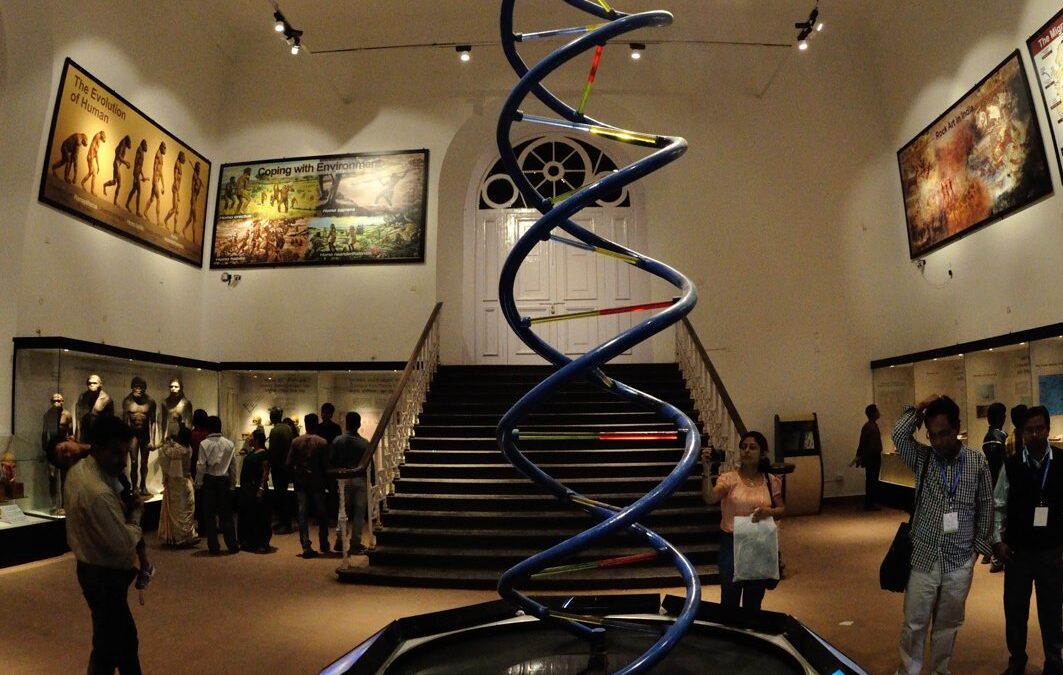
As Ali Akbari, first author of a major new Harvard study, put it, new computational techniques finally make it possible to watch how selection shaped human biology in something closer to real time, rather than relying solely on clues buried in modern genomes.
Akbari, a senior scientist in geneticist David Reich’s lab, developed a new computational method to filter out confounding factors like migration and population mixing, zeroing in on genuine patterns of directional selection across thousands of years of data. The team analysed nearly 16,000 ancient human genomes stretching back 10,000 years, published in the journal Nature.
The study identified 479 gene variants showing strong evidence of directional selection, more than half with known links to disease risk and other traits still relevant to human health today. Researchers found that selection pressure picked up pace specifically after humans shifted from hunting and gathering to settled farming, likely driven by new infectious diseases spreading through dense, permanent communities living alongside domesticated animals.
According to Reich, the research allows scientists to assign a specific place and time to the evolutionary forces that have shaped modern humans, something largely out of reach before this scale of ancient genomic data became available.
Image: Wikimedia Commons/by Biswarup Ganguly



Leave a Reply