It broke off in 1986 and outlasted governments, technology and generations, until now
Iceberg A23a survived nearly four decades since breaking away from Antarctica in 1986, quietly drifting through a changing world before finally melting away.
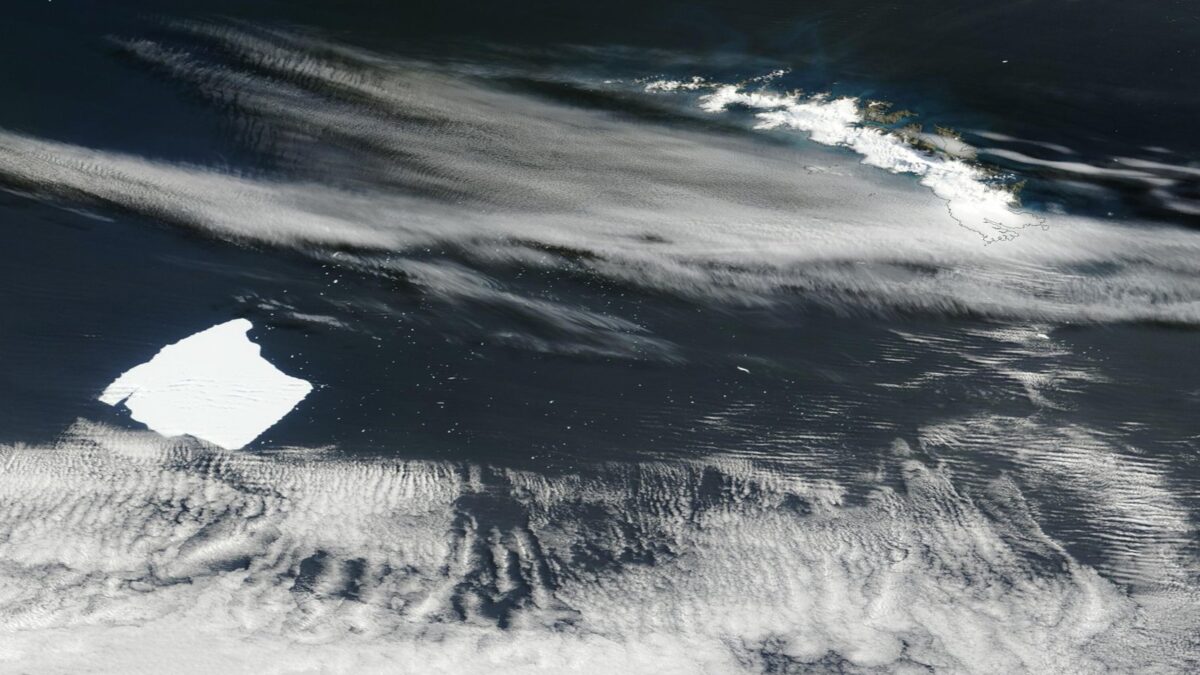
Perhaps the most remarkable thing about A23a wasn’t its size. It was how long it survived. The iceberg first broke away from Antarctica’s Filchner Ice Shelf in 1986, and since then, the world has changed in countless ways — governments have changed, technology has transformed everyday life, and entire generations have grown up. Yet the iceberg remained, floating quietly through all those years without much attention outside the scientific community.
At its largest, A23a covered around 3,500 square kilometres — bigger than Goa, roughly twice the size of London, and nearly three times the size of New York City — with a weight estimated close to one trillion tonnes. It spent almost three decades stuck on the seabed in the Weddell Sea before finally breaking loose in 2022 and drifting more than 2,300 kilometres into the South Atlantic.
By March this year, the iceberg had shrunk to just 170 square kilometres, and by April, nothing was left big enough to spot from space, closing the story of one of Earth’s most extraordinary ice giants.
A23a may be gone, but scientists will keep learning from it for years. The satellite images, research data and ocean samples collected throughout its life are expected to improve understanding of Antarctica and how the polar regions are changing.
Image: Wikimedia Commons/by NASA MODIS Land Rapid Response Team


Leave a Reply