EV sticker prices fall, hidden costs rise: India’s Battery-as-a-Service boom explained
As Battery-as-a-Service financing spreads across India's EV market, buyers face a more complex calculation than the discounted upfront price suggests.
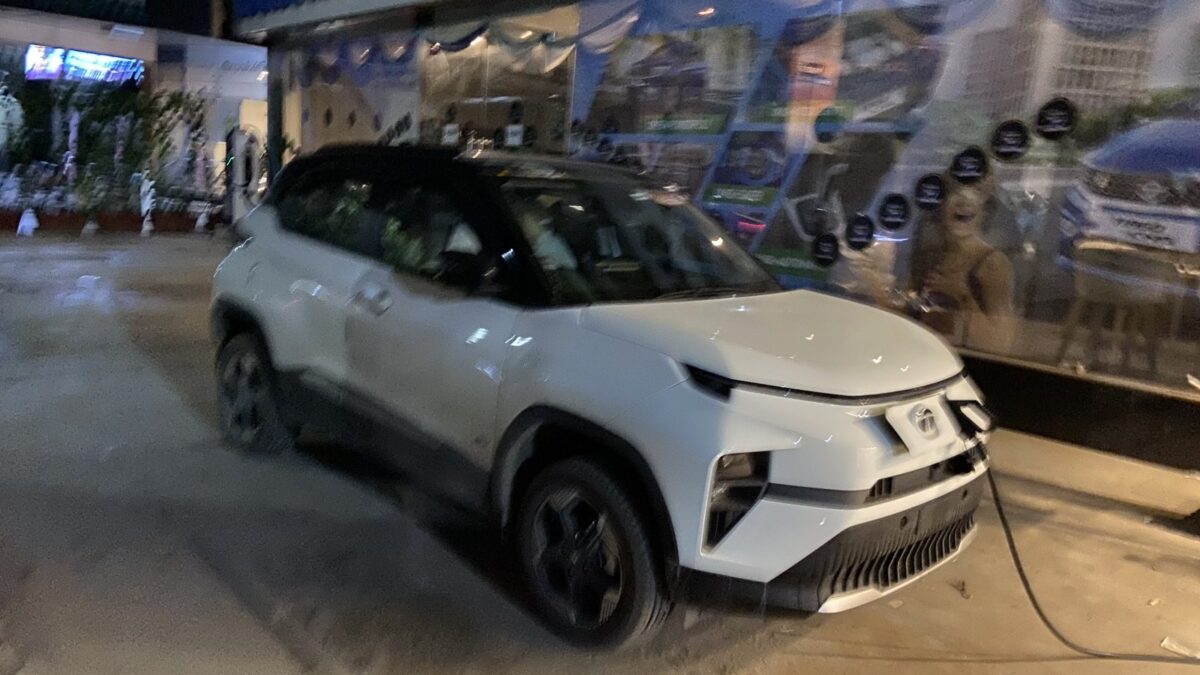
Battery-as-a-Service, or BaaS, is turning into one of the most effective sales tools in India’s EV market. A Tata Punch EV listed at Rs 9.7 lakh can be driven home for Rs 6.5 lakh under a battery financing plan; Hyundai’s Creta Electric drops from Rs 18 lakh to Rs 11 lakh, and Maruti’s Grand Vitara EV becomes cheaper by almost Rs 8 lakh upfront.
But as more carmakers roll out battery subscription and financing models, the real question for buyers is no longer how much cheaper the car looks at purchase, but how much they will pay over its full life. Current BaaS plans charge between roughly Rs 2.3 and Rs 5 per km depending on the model, meaning recurring battery payments, minimum usage commitments and financing charges can add several lakh rupees to total ownership costs over five-to-eight years.
The economics get more complicated where minimum monthly billing applies. Citroen’s eC3X requires payment for at least 2,000 km every month, translating into a battery bill of about Rs 4,520 even if actual usage is lower, while Maruti Suzuki’s e Vitara has a disclosed minimum of 1,800 km per month, resulting in a minimum monthly battery charge of around Rs 7,200.
Carmakers frame BaaS primarily as a financing innovation rather than a subscription service. Tata Motors described it as ‘primarily a financing tool, not a mobility service’ that lowers the upfront acquisition cost of EVs, while adding that most customers still prefer outright ownership in the end.
JSW MG Motor India, which launched BaaS with the Windsor EV in 2024, says the model now accounts for 12-15% of its overall EV sales across the MG portfolio, according to managing director Anurag Mehrotra. He said an equivalent petrol car costs around Rs 8 per km to run, against roughly Rs 5 per km total running cost under MG’s Windsor BaaS model — a saving that can add up to Rs 3-5 lakh over five-to-eight years for high-mileage drivers.
Hyundai did not comment on whether it offers BaaS for the Creta Electric, and Maruti did not respond to queries on the Grand Vitara EV’s financing structure, leaving some of the newer discounted offers without full clarity on their long-term cost terms.



Leave a Reply