This solar technology won’t replace rooftop panels, it’ll go where they can’t
Japan's flexible perovskite solar cells aren't expected to replace silicon rooftop panels, but to bring solar power to curved façades, vehicles and portable devices instead.
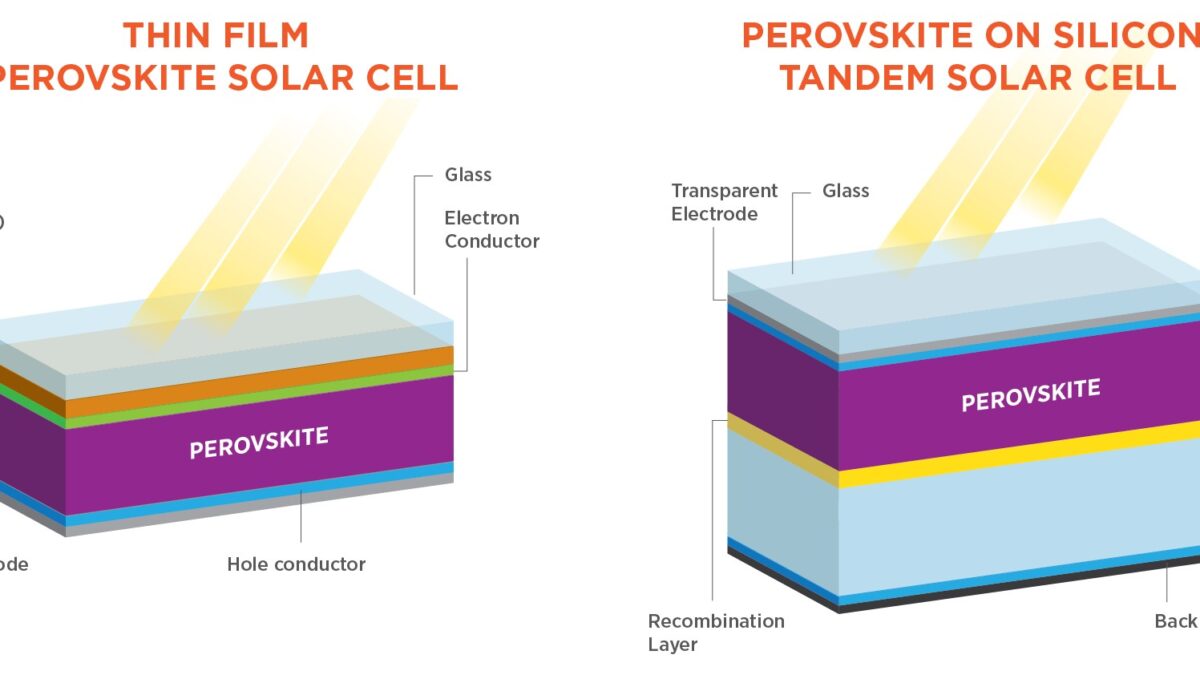
Conventional silicon panels remain the benchmark for commercial solar power, but they are heavy, rigid and require energy-intensive manufacturing. Japan’s flexible perovskite solar cells offer a markedly different approach, one that isn’t meant to replace rooftop installations but to reach places they never could.
Few experts expect perovskite technology to replace conventional silicon panels entirely. Instead, its greatest contribution is likely to be filling the gaps that rigid panels cannot, bringing solar power to curved façades, lightweight structures, portable devices and other unconventional locations, from electric vehicles and greenhouses to railway stations.
According to Japan’s Agency for Natural Resources and Energy, the light-absorbing perovskite layer is only a tiny fraction of the thickness of a conventional silicon wafer and can be printed onto flexible plastic or metal substrates. That allows architects and engineers to integrate electricity generation directly into surfaces people already use, rather than asking where rigid panels can be mounted.
Japan aims to commercialise perovskite solar cells over the coming decade as part of its broader clean energy strategy. If durability improves and manufacturing costs continue to fall, the next expansion of solar energy may come not from building more solar farms, but from quietly turning the built environment itself into a network of power generators.
Image: Wikimedia Commons/by National Renewable Energy Laboratory



Leave a Reply