NASA’s 1966 hiring formula still holds a lesson for how companies pick leaders today
NASA's decision to weight intelligence at just one point out of 30 in its 1966 astronaut selection reflects a hiring philosophy still relevant to leadership recruitment.
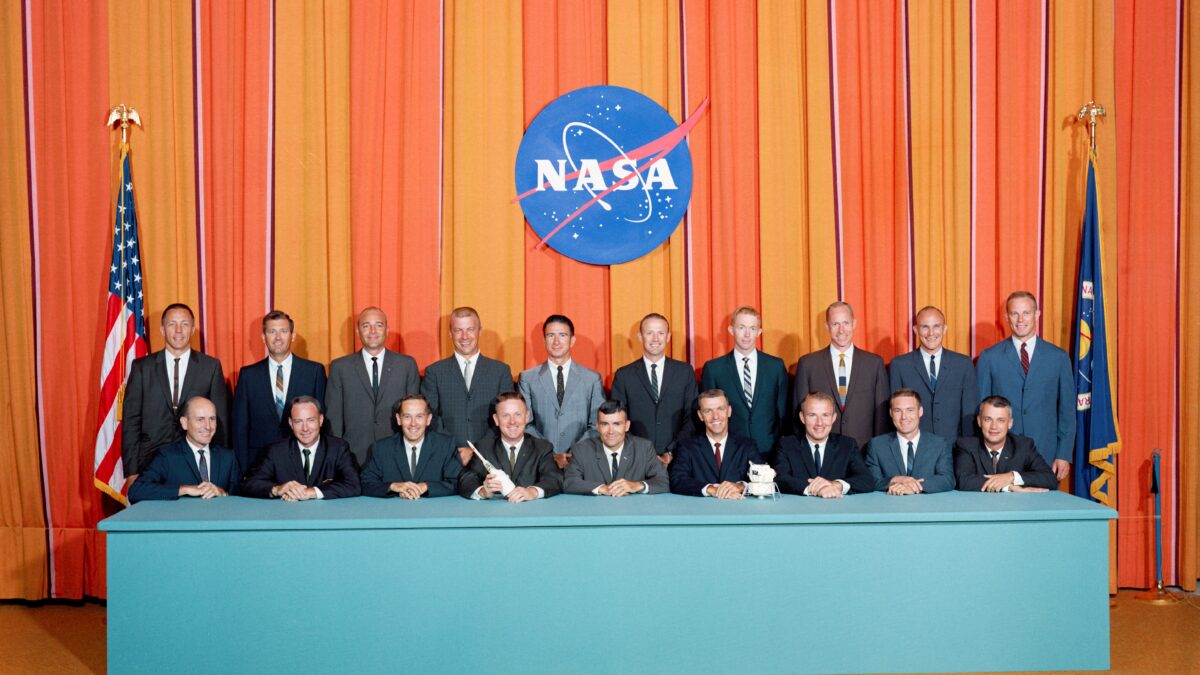
Long before “hire for character, train for skill” became a common phrase in corporate hiring circles, NASA had already built the philosophy into a formal scoring system. In its 1966 selection of Astronaut Group 5, candidates were scored on a 30-point system in which IQ counted for just one point, while engineering qualifications, pilot performance, technical interviews and character carried far greater weight.
The agency’s reasoning was straightforward: exceptional intellect alone would not guarantee success when astronauts were expected to solve complex challenges under intense pressure, often with lives depending on their decisions. Instead, NASA placed much greater emphasis on engineering ability, operational experience, motivation, judgement and emotional stability.
The official selection procedure evaluated candidates across categories including engineering and scientific knowledge, operational performance, motivation, communication skills, teamwork and leadership potential. Operational experience, particularly military test flying and engineering projects, received significant attention because it demonstrated how candidates performed under pressure rather than how well they performed on written tests. Selection panels specifically looked for evidence that applicants could evaluate rapidly changing situations, weigh risks, and make effective decisions with limited information.
Motivation and perseverance were also highly valued, since astronauts faced years of demanding training before ever reaching space. NASA’s emphasis on character proved prescient: during Apollo 13, astronauts and engineers overcame multiple system failures through creative problem-solving and disciplined teamwork — a real-world validation of a hiring philosophy formalised years earlier, and one that modern astronaut recruitment still reflects today alongside continued demands for strong academic credentials.

Leave a Reply