This New Zealand village wants to turn timber into aviation fuel and high-value chemicals
Kaingaroa, a New Zealand forestry village that lost jobs to industry reforms, could become the country's first integrated wood-processing hub.
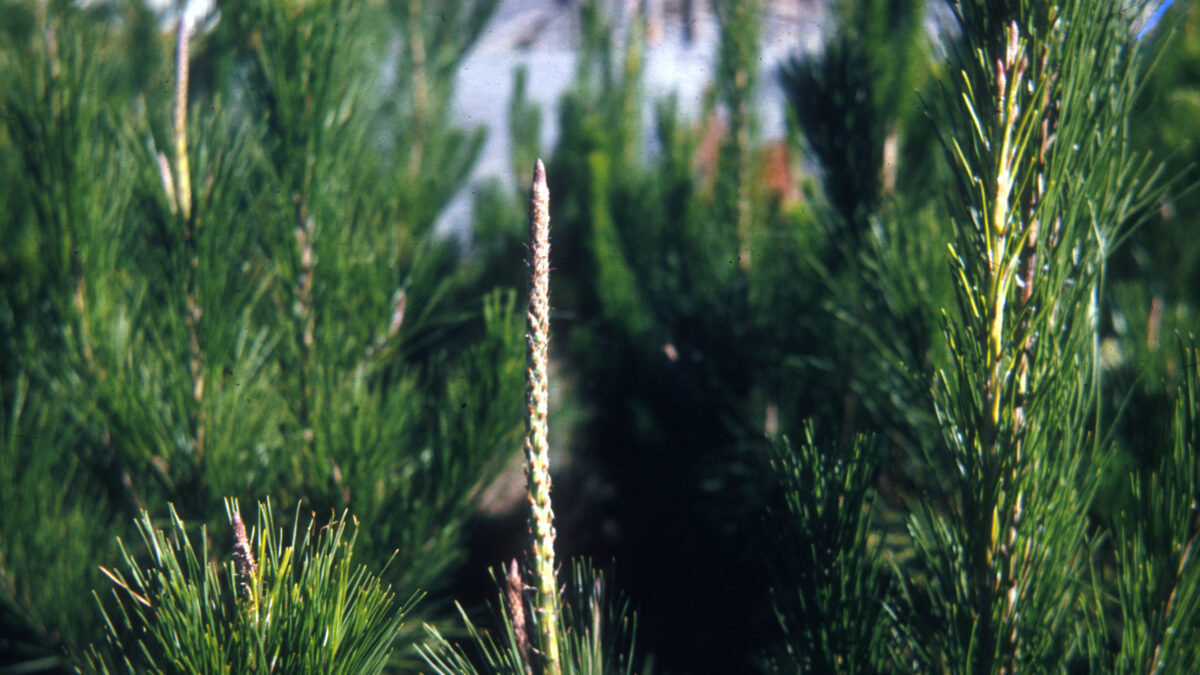
Kaingaroa has long sat amid some of New Zealand’s largest forestry resources, yet has not fully benefited from the wealth they generate. Now, the small Bay of Plenty village has a plan to become the nation’s first integrated forestry processing cluster, producing high-value wood products, biofuel and renewable chemicals.
The initiative, led by the company NZ Bio Forestry, intends to combine all phases of the wood production process in one place — processing, energy production and biorefining — maximising the value of wood by using every part of the tree rather than just logging and exporting it. According to New Zealand’s Ministry for Primary Industries, the country’s forestry sector has significant potential to provide higher-value wood products, bioenergy and bioproducts by utilising residues that currently go unused.
The village of Kaingaroa was created by forestry and sits near Kaingaroa Forest, one of the largest plantation forests in the Southern Hemisphere, covering hundreds of thousands of hectares in the central North Island. But state forestry restructuring and privatisation over recent decades have significantly reduced employment in Kaingaroa and nearby Murupara.
NZ Bio Forestry has entered into a heads of agreement with Ngāti Manawa iwi to develop the project, with the joint venture focused on employment, training and economic opportunities. Ngāti Manawa says the decline in forestry jobs has affected generations of local families, and future investment could help them remain in their communities.



Leave a Reply