Betavolt’s nuclear battery targets medical implants, sensors — not phones
Betavolt's new nuclear battery generates too little power to charge a phone but is designed for medical implants and long-life sensors.
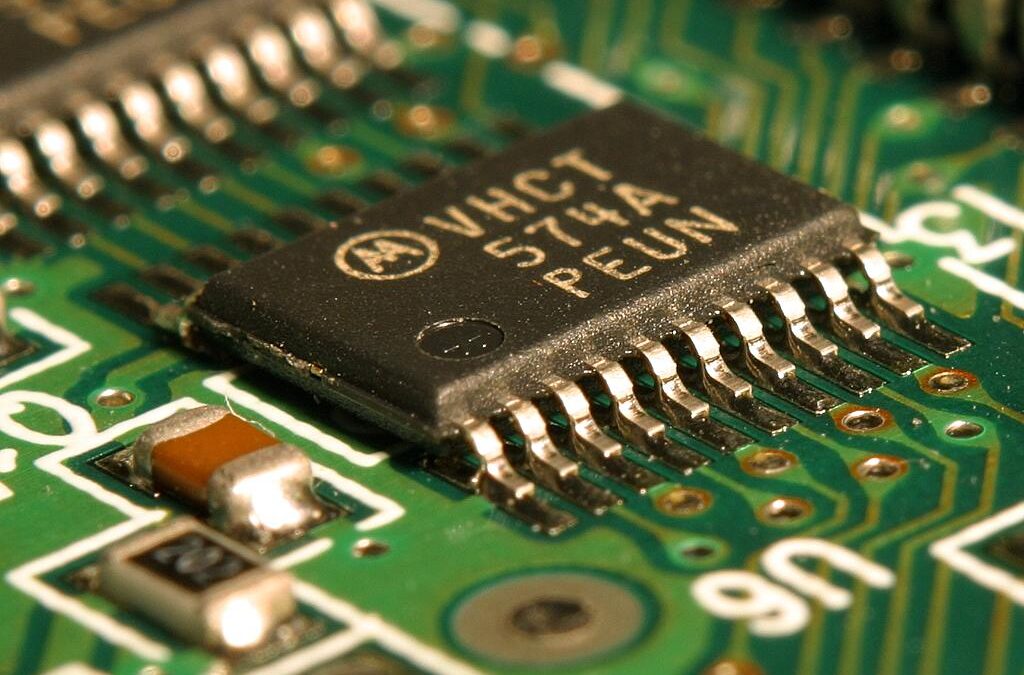
Betavolt’s newly unveiled nuclear battery, the BV100, generates just 100 microwatts of power at 3 volts — nowhere near enough to charge a smartphone, which typically needs several watts — but is well suited to low-power applications such as medical implants, environmental sensors and small tracking devices, according to World Nuclear News.
The Beijing-based company says the battery, measuring just 15 by 15 by 5 millimetres, can run for 50 years without charging or replacement. It works by harnessing the decay of nickel-63, a radioactive isotope, sandwiched between two ultra-thin diamond semiconductor converters that capture the released electrons and convert them into usable current.
Betavolt has said the batteries are modular, meaning multiple units can be combined in series or parallel to scale up total power output for applications needing more than a single module can provide. The company has also stated plans to release higher-powered versions using different isotopes.
Nickel-63 was chosen partly for safety: it decays into a stable, non-radioactive form of copper and emits low-energy radiation that thin materials can shield, with a half-life of roughly 100 years.



Leave a Reply