The next Bill Gates won’t build an OS: Peter Thiel’s 2014 warning still holds
A resurfaced Peter Thiel quote from 'Zero to One' argues that copying past tech breakthroughs, from Microsoft's operating system to Google's search engine, is a losing business strategy.
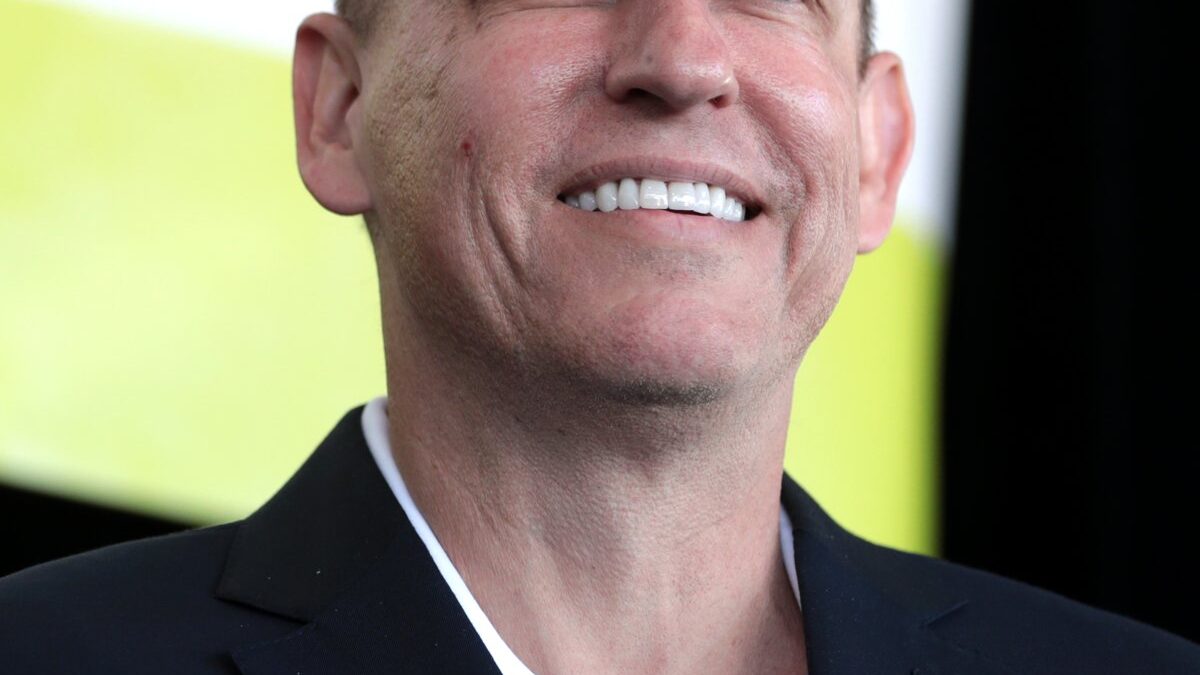
A quote from PayPal co-founder Peter Thiel is doing the rounds again as TOI World Desk’s business quote of the day, and it cuts against a lot of conventional startup advice. In his 2014 book ‘Zero to One’, Thiel wrote: “Every moment in business happens only once. The next Bill Gates will not build an operating system. The next Larry Page or Sergey Brin won’t make a search engine. And the next Mark Zuckerberg won’t create a social network. If you are copying these guys, you aren’t learning from them.”
At its core, the quote is not really about Gates, Page, Brin or Zuckerberg individually. It is about timing, and about why transformative businesses cannot simply be repeated once a breakthrough has already happened. A business needs its own distinct value, something different from what already exists in its space, because mere imitation of a past success rarely produces another one on the same scale.
Thiel arrived at this view after years of studying why certain companies become dominant while thousands of others fade away. Gates did not invent the personal computer, but Microsoft became indispensable because its operating system became the standard that millions of computers were built on, and by the late 1980s and into the 1990s, Windows had become the dominant operating system globally. That is precisely why, in Thiel’s framing, launching a new desktop operating system today would not create a second Microsoft: the market has already matured, and the window that existed decades ago has closed.
He applies the same logic to search. Google’s success came from organizing a rapidly expanding web better than any competitor at the time; a brand-new general-purpose search engine today faces a market that has already consolidated around an established leader, making it far harder to replicate that success.
This feeds directly into one of Thiel’s more provocative ideas, that “competition is for losers.” He is not arguing that competition vanishes entirely, but that heavy competition is often a symptom of a market that has become crowded and commoditized, and that the largest fortunes tend to go to companies that build themselves in spaces with few or no direct rivals rather than fighting for share in an existing one.
The relevance has only grown in the AI era, where countless startups now market themselves as ‘the next OpenAI’ or ‘the next Nvidia’. By Thiel’s reasoning, that framing itself may be the wrong ambition. The businesses that end up defining the coming decade may not be building another chatbot or chip at all, but applying artificial intelligence to transform healthcare, manufacturing, education or scientific research in ways the market has not yet imagined.
Image credit: Wikimedia Commons/by Gage Skidmore

Leave a Reply