NITI Aayog’s new index reveals which Indian states investors trust most
NITI Aayog's newly launched Investment Friendliness Index scores all 28 Indian states and 8 Union Territories across eight pillars, with Gujarat ranking first overall.
How do you measure whether a state is actually good to invest in, beyond the usual talking points in an investor pitch deck? NITI Aayog’s answer, released on Friday, is the Investment Friendliness Index — a first-of-its-kind national scorecard covering all 28 states and eight Union Territories, built around eight separate pillars: infrastructure, business climate, resources, government policy, regulatory ease, institutional environment, financial health and environmental resilience.
Rather than producing one flat national list, the index splits states into three peer groups so comparisons stay fair — large states, hilly and northeastern states, and city states and Union Territories. Within the large states category, and in the overall national rankings as well, Gujarat came out on top with a score of 56.6, followed by Maharashtra at 53.7 and Tamil Nadu at 53.3.
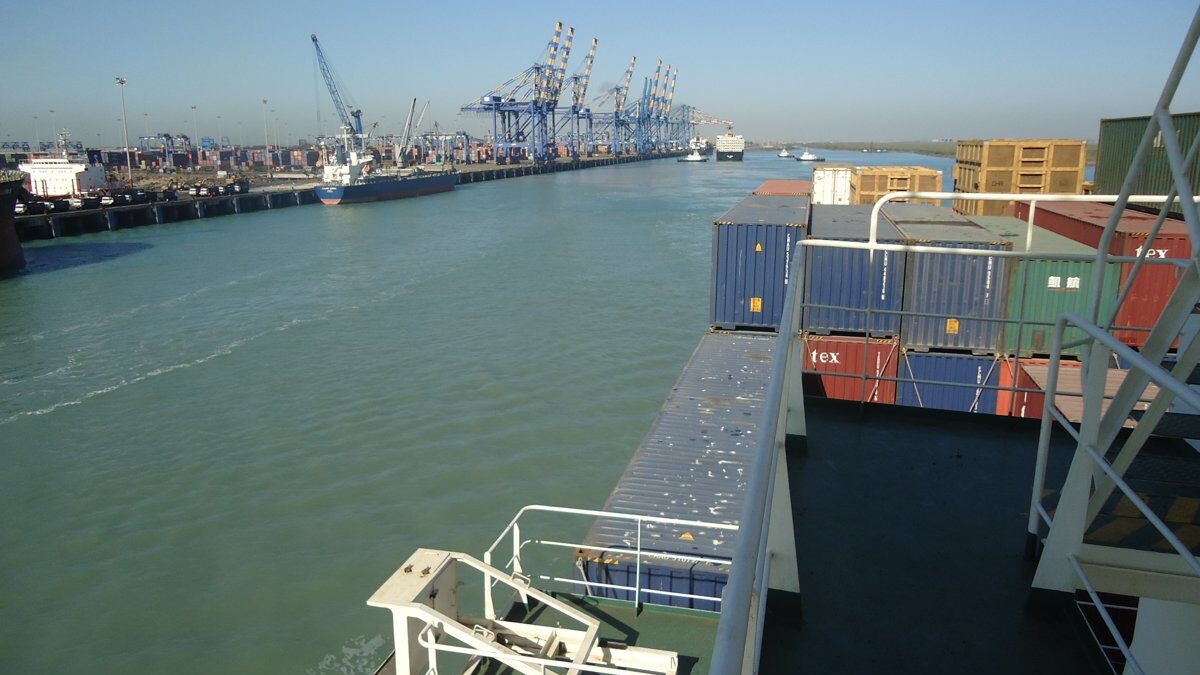
NITI Aayog’s breakdown of Gujarat’s score points to strength across infrastructure, business climate, financial health, regulatory ease and government policy, with resources, institutional environment and environmental resilience marked as areas for improvement. The infrastructure pillar specifically benefited from the efficiency of the state’s ports and power sector, backed by competitive industrial and commercial electricity tariffs and well-managed transmission and distribution losses.
Maharashtra’s second-place overall and large-state ranking rested primarily on a strong business climate score, with resources and financial health also performing well; infrastructure and regulatory ease were flagged as relative weak points. Tamil Nadu’s third-place finish came from strong infrastructure and business climate scores, offset by a financial health pillar the report said needs work.
At the other end of the large states category, Bihar, Jharkhand and West Bengal occupied the bottom three positions, with Odisha, Madhya Pradesh and Andhra Pradesh placed fourth, fifth and sixth respectively. Among hilly and northeastern states, Uttarakhand, Assam and Himachal Pradesh took the top three spots. In the smallest category — city states and Union Territories — Lakshadweep ranked lowest overall, trailed closely by Ladakh and the Andaman & Nicobar Islands.
Presenting the findings, NITI Aayog Vice Chairman Ashok Kumar Lahiri noted that India’s investment rate stands at roughly 25% of GDP, below where China’s stood during its fastest-growing years, and said accelerating investment that strengthens manufacturing and creates quality employment is essential to reaching the government’s Viksit Bharat @2047 goals. The index itself was first proposed in the Union Budget for 2025-26 as a mechanism to sharpen competitive and cooperative federalism among Indian states.
Mundra Port in Gujarat, whose infrastructure efficiency contributed to the state topping the new index. Wikimedia Commons/by Felix Dance




Leave a Reply