Facebook turned down his job application: what happened next cost $19 billion
Facebook rejected Brian Acton's 2009 job application, then paid up to $19 billion five years later to acquire WhatsApp, the company he co-founded.
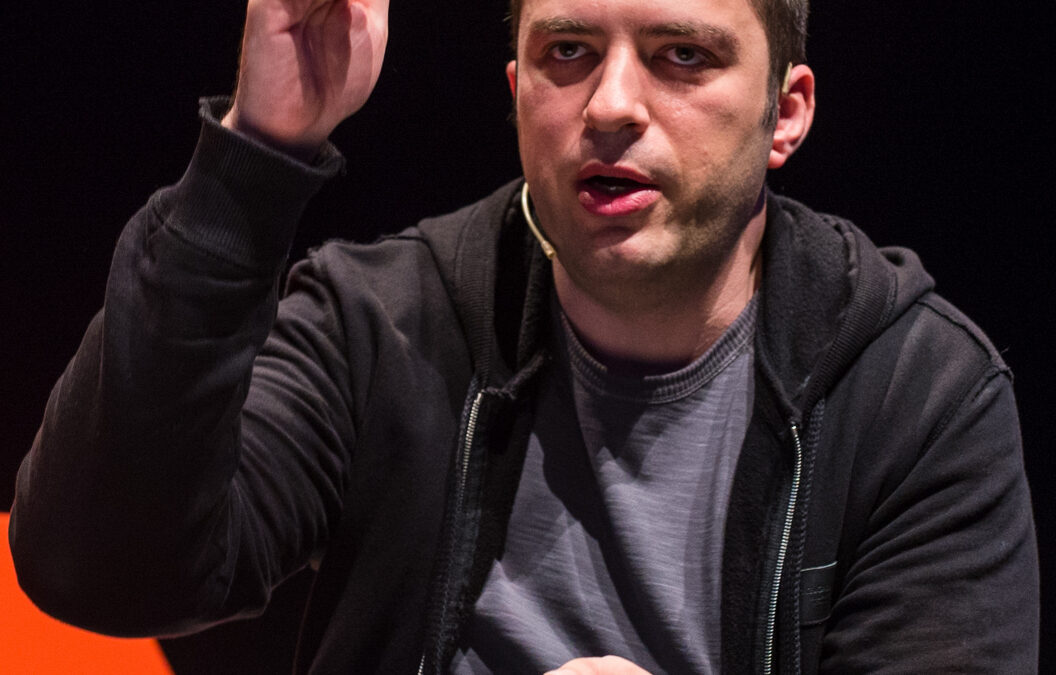
Few job rejections have aged as strangely as the one Brian Acton received from Facebook in 2009. On August 3 of that year, Acton posted publicly that Facebook had passed on his application, describing the process as a chance to meet ‘some fantastic people’ before moving on to ‘life’s next adventure.’ He wasn’t only rejected by Facebook that year; an earlier post from May 2009 shows Twitter had turned him down as well, not long after he left Yahoo.
What came next is now one of the more referenced ironies in technology history. Acton went on to team up with Jan Koum, a former colleague from his Yahoo days who was developing a mobile messaging application built around a user’s phone number and contact list rather than a traditional social profile. That application became WhatsApp, and Acton joined as its user base began growing at a pace few messaging products had matched.
By the start of 2014, WhatsApp had become one of the most heavily used messaging services in the world. Facebook’s own official announcement of the acquisition in February 2014 put WhatsApp’s monthly user base above 450 million, with 70 percent of users active daily and more than a million new registrations arriving each day. Its message volume was closing in on the entire global volume of SMS traffic carried by telecom networks.
Facebook confirmed a definitive agreement to buy WhatsApp on February 19, 2014. The acquisition press release filed with the US Securities and Exchange Commission detailed a structure of approximately $4 billion in cash and $12 billion in Facebook stock, valuing the deal at roughly $16 billion initially, with a further $3 billion in restricted stock units granted to WhatsApp’s founders and staff over a four-year vesting period. Added together, the transaction’s widely cited potential value reached about $19 billion — though that sum was never a direct payment to Acton personally, but rather the total consideration spread across shareholders, founders and employees.
According to Facebook’s SEC filings, including its official 8-K disclosure, the deal formally closed on October 6, 2014. The company that had rejected Acton as an employee in 2009 had, five years later, agreed to pay up to $19 billion for the company he helped co-found — a detail that continues to resurface whenever the acquisition is discussed.
Acton’s original rejection post remains online in spirit if not always in exact form, cited repeatedly as an example of how a single unremarkable career setback can precede an outcome nobody, including the person living it, could have predicted.
Wikimedia Commons/by Dan Taylor

Leave a Reply