Tariffs fall, parity arrives: what India’s new UK trade deal means for textile exporters
A new India-UK free trade agreement that took effect this week removes tariffs of up to 12% on Indian textile exports, matching the terms enjoyed by Bangladesh and Vietnam.
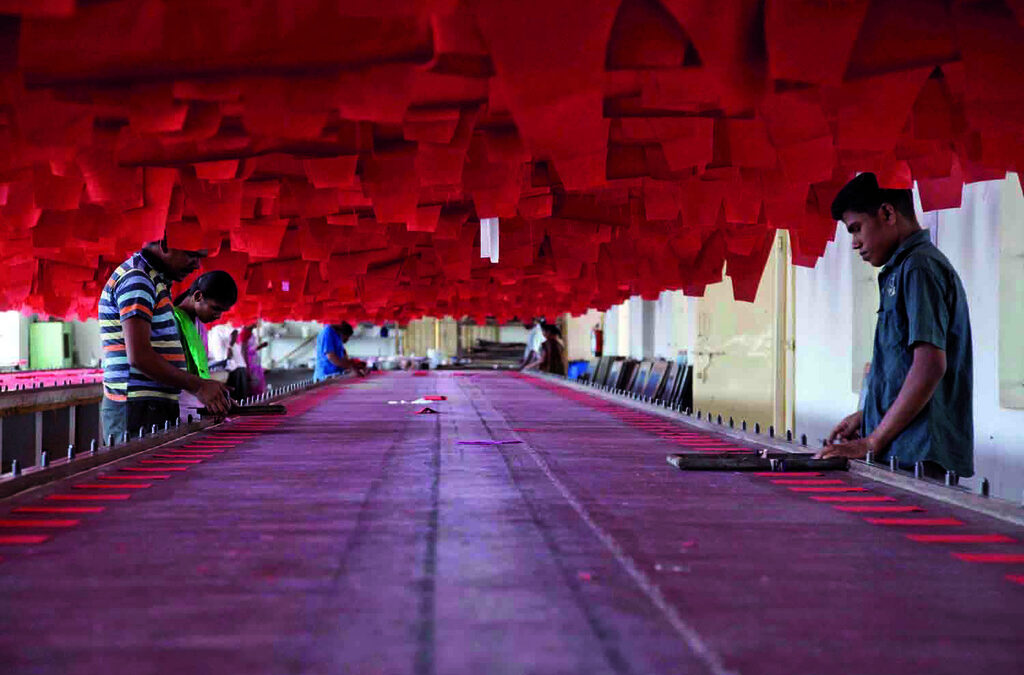
India’s textile exporters entered a new tariff regime this week after a free trade agreement with the United Kingdom took effect on Wednesday, cutting duties of up to 12% and closing a longstanding cost gap with rival exporters Bangladesh and Vietnam.
The change matters because India currently accounts for just 6% of the UK’s apparel import market, well behind its two main Asian competitors, both of which have enjoyed preferential access to British buyers for years. With that gap now narrowed on paper, industry watchers are turning to how quickly Indian manufacturers can translate the tariff cut into actual orders.
Prabhu Dhamodharan, convener of the Indian Texpreneurs Federation, said early signs are encouraging. ‘The FTA is already generating a demand pull,’ he said, pointing to existing relationships with UK retailers such as Primark, Next, Tesco and M&S that allow Indian exporters to scale up quickly, unlike newer entrants without established buyer trust. He projected India’s UK apparel import share could roughly double within four to five years.
That optimism comes with a caveat from smaller players. A medium-scale exporter, who asked not to be named, told TOI the cost disadvantage against competing nations can still run 20-30% higher, largely because of pricier man-made fibre and cotton fabric inputs, and urged government support for the domestic MMF supply chain.
Structural issues beyond tariffs, including fragmented supply chains, longer lead times and limited manufacturing scale, remain unresolved even as the trade barriers come down, according to industry executives tracking the sector.
Yes Securities strategist Hitesh Jain was more circumspect, arguing that textiles may not benefit from the FTA the way auto or pharma exports have from past trade deals, since Vietnam and other rivals have already captured gains from the global ‘China plus one’ sourcing shift, and rupee depreciation has failed to offset India’s high import dependence on raw materials.
Wikimedia Commons/by Fabrics for Freedom




Leave a Reply