India’s quick-commerce arms race hits a wall in the metros
Bernstein estimates India's top five quick-commerce operators now have more dark stores in metro cities than the market can profitably support.
India’s biggest cities may already have more quick-commerce warehouses than the business can support. Bernstein estimates large metros now host about 4,300 dark stores, while the market can profitably sustain only around 3,600 — a gap that has opened up even as the five leading operators keep expanding at pace.
Between April and July this year, those five companies added close to 900 dark stores combined. The additions were led by Eternal-owned Blinkit, which opened 289 new stores to reach a total of 2,511, and Walmart-owned Flipkart Minutes, which added 262 stores for a network of 1,003. Amazon Now added an estimated 250 stores, nearly doubling in size to 600-700 locations, meaning the Amazon and Flipkart entrants alone made up more than half of all new stores opened industry-wide.
Zepto, which is preparing for an IPO, added 90 stores to take its count to 1,345. Swiggy Instamart’s network barely changed, holding at 1,187 stores. In total, the five firms ran between 6,650 and 6,750 dark stores in July, compared with 5,750 to 5,850 three months prior.
Despite that scale-up, the number of unique pin codes served nationally rose by just 152, to 2,722 — a sign that new stores are mostly clustering in areas already covered rather than opening up new markets. In metro pin codes specifically, all five companies were simultaneously present in 26% of locations in April; that figure jumped to 44% by July, underlining how concentrated the competition has become.
Satish Meena, founder of Datum Intelligence, said the build-out by Amazon and Flipkart reflects a broader strategic goal beyond quick commerce profits alone — protecting their core e-commerce businesses. ‘Habit is the real prize. It is about the top 50-60 million wallets and about which app owns their daily habit,’ Meena said.
Angshuman Bhattacharya, partner and national leader, consumer product and retail at EY-Parthenon India, said a single pin code can span 8-10 sq km, which often forces denser networks to keep delivery times short and order economics workable. He noted this could mean a longer path to profitability for companies newer to the space.
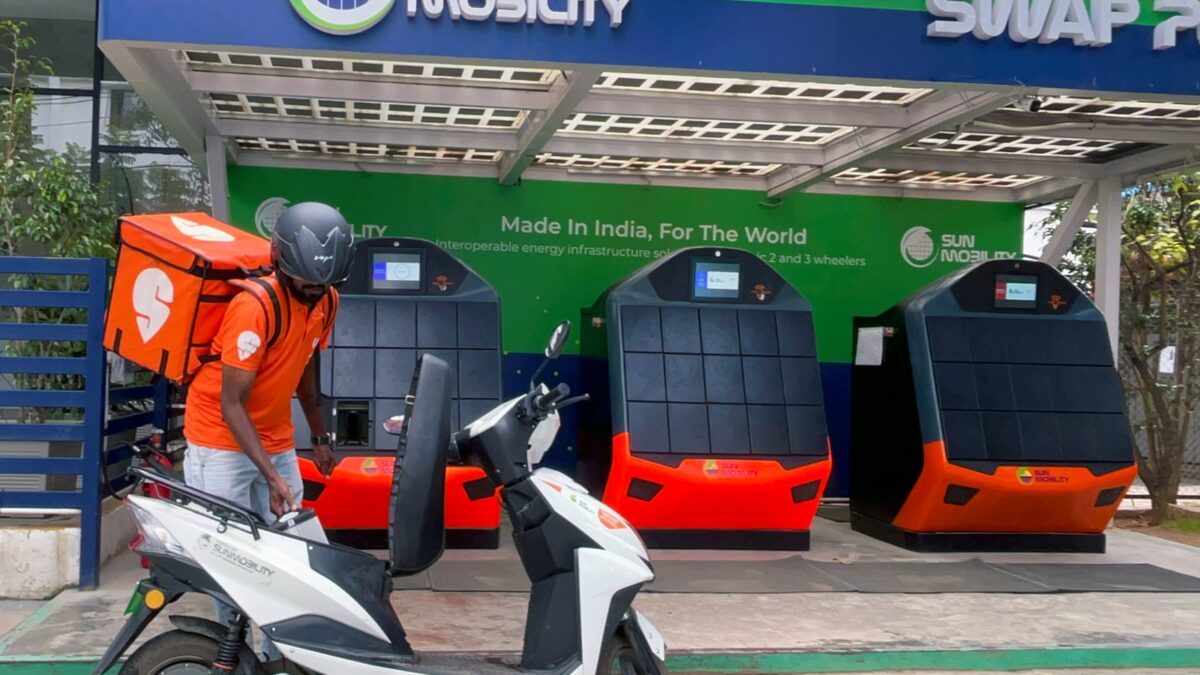
Image: Wikimedia Commons/by SUN Mobility




Leave a Reply