Why Spain’s construction industry is betting on olive pit biochar
A Barcelona pilot is testing whether biochar made from olive pits can cut the carbon footprint of asphalt paving by roughly 75 per cent.
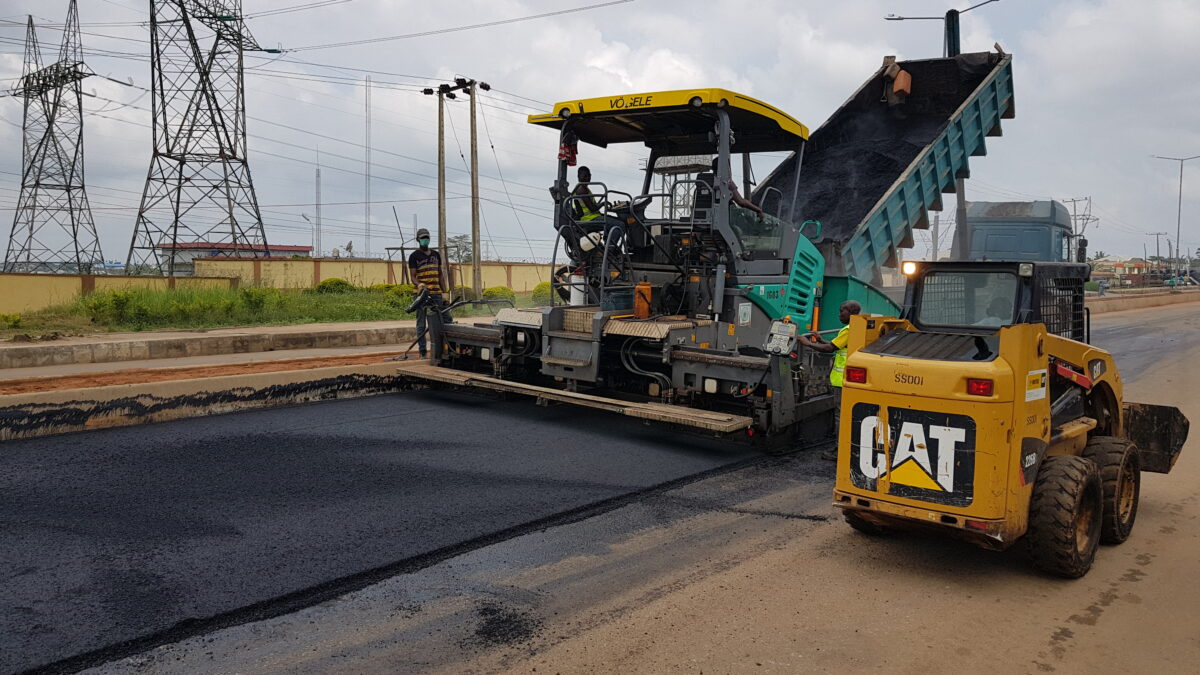
For an industry that spends heavily on road repairs every year, the environmental cost hiding inside ordinary asphalt has mostly gone unexamined. A project underway in Barcelona is putting that cost under the microscope, and proposing an unconventional fix drawn from Spain’s olive oil industry.
Construction firms AMSA and ELSAN, working with researchers from the Polytechnic University of Catalonia, developed an asphalt mixture that replaces the mineral filler in standard paving with biochar made from olive pits and pine residues. The project grew out of Barcelona’s ’21st Century Street Section’ challenge, aimed at cutting emissions tied to rebuilding city infrastructure.
The biochar is produced through pyrolysis — heating organic waste without oxygen — which converts Spain’s abundant supply of discarded olive pits into a carbon-rich solid rather than letting them decompose or burn. According to the Advanced Carbons Council, that process keeps carbon locked inside the material even after it becomes part of a road surface, effectively turning paved streets into long-term carbon storage.
The council estimates that the mixture could reduce the carbon footprint of asphalt paving by roughly 75 per cent versus conventional alternatives, with early results from the pilot reportedly in a similar range. Construction group Sorigué is now monitoring a roughly 2,000-square-metre stretch on Carrer Cerdà in the Eixample district for durability and cracking resistance under real traffic.
Whether the material moves from pilot to standard practice will hinge on questions that matter as much to procurement officers as to engineers: can the supply chain deliver biochar consistently, does it fit existing municipal purchasing systems, and does it demand different maintenance than ordinary asphalt.
Alvaro Espuny, chief executive of Carboliva, told Olive Oil Times the opportunity extends well beyond roads: ‘Considering that concrete is the second most consumed material in the world after water, incorporating biochar into the construction of future buildings would represent a major step forward in sustainability.’ Spain’s position as the world’s largest olive oil producer means the raw material supply is unlikely to be the bottleneck.
Wikimedia Commons/by Sammya Nig Ltd



Leave a Reply